
Scout Leadership: From Leading People to Building Leaders
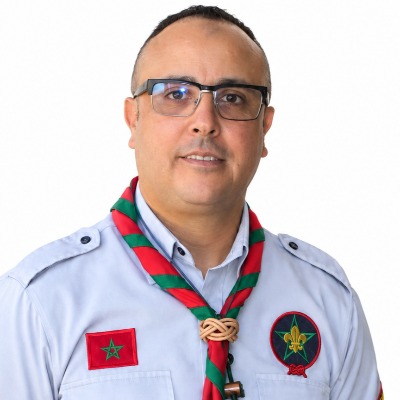
Dr. Ayoub Lafani
•
Published on October 02, 2026
Through my experience in Scouting, I have come to realize over time that leadership is not merely a responsibility we carry, a position we hold, or a number of people working under our supervision. To me, leadership is, above all, a responsibility toward people, toward the team, and toward the generations we will leave behind.
It may be easy to be a leader who gives instructions, distributes tasks, follows up on implementation, and makes decisions. But the real question we should ask ourselves is: What will happen when I am no longer there? Will the work stop? Or will there be someone who has learned from me, gained confidence and experience, and become capable of taking responsibility? This is precisely where the difference appears between a leader who leads people and a leader who builds leaders.
In the Scout Movement, we do not deal only with tasks, programs, and activities; we deal with people. A Scout does not learn only from what a leader says, but also from the leader’s actions and the way they treat others. If we ask for discipline, we must first be disciplined ourselves. If we speak about respecting others, we must respect their differences and opinions. And if we call for teamwork, we cannot keep every decision to ourselves. In my view, a leader is someone who can say, “Let us work together,” rather than simply, “Do what I ask you to do.”
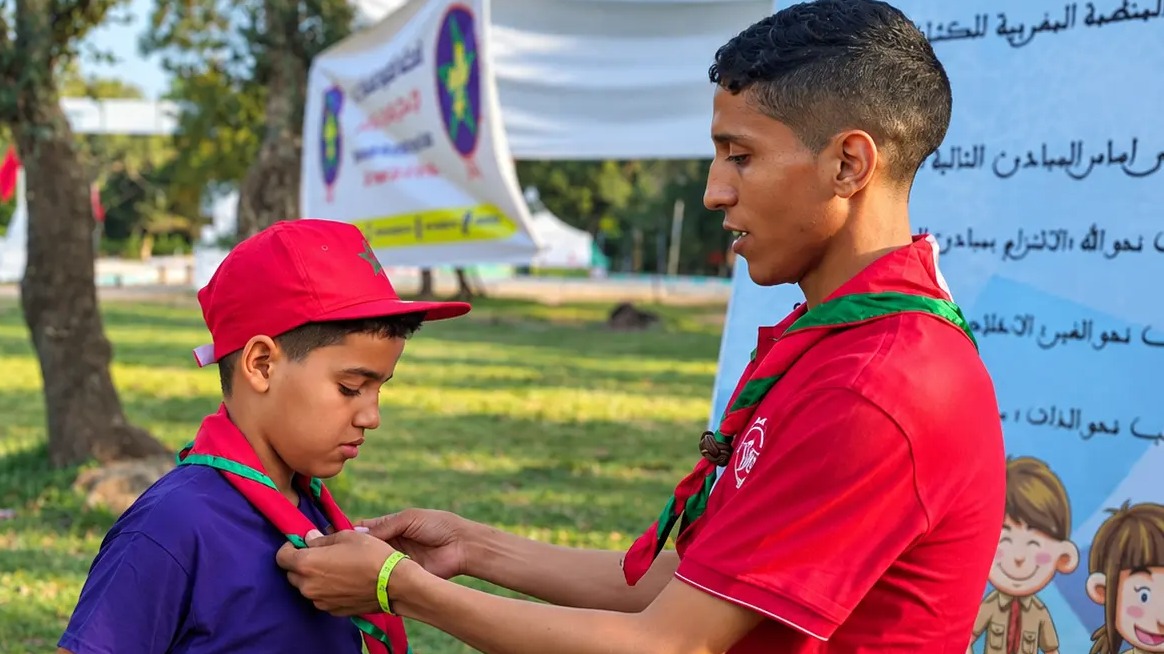
One of the things I strongly believe is that a young person cannot learn leadership unless we give them a genuine opportunity to practice it. Sometimes, we want young people to be responsible and proactive, yet we do not give them enough space to do so. We make decisions for them, correct everything before they have the chance to try, and fear their mistakes, only to later wonder why they do not take initiative.
Mistakes are part of learning. What matters is not that a young person never makes a mistake, but that they learn from it. An experience they live through themselves may teach them in a few days what years of theoretical explanation may never achieve.
Therefore, when we give a young person responsibility, we should not expect them to do everything exactly the way we would. We should guide them, accompany them, discuss the results with them, and help them discover what they did well and what they still need to improve. This is how the character of a leader begins to take shape.
A leader should also never be afraid of seeing new leaders emerge. On the contrary, I believe that one of the signs of a successful leader is seeing people who were learning from them yesterday become capable today of taking responsibility—and perhaps even teaching them something new. This is why I always ask myself a simple but profound question: Who will I leave behind after me?
My success should not be measured only by what I have personally achieved, but also by the people I have helped discover their potential, those in whom I have placed trust, and those I have encouraged to take responsibility.
Leadership is not always about firmness, nor is it always about leniency. A leader needs to know when to be firm, when to be flexible, when to listen, and when to make a decision. Most importantly, a leader must understand that behind every team member is a human being with their own personality, circumstances, and way of thinking.
This is where the importance of moving from “I am the leader” to “We are the team” becomes clear. When every individual feels that their opinion is heard and that their contribution has value, they become more connected to the work and more willing to give.
In the end, when we look at any Scout activity, the questions should not only be: How many activities have we completed? How many people participated? We should also ask: What did this activity leave within the participants? Did they become more responsible? Did they learn to cooperate? Did they gain confidence? Did they become more capable of making decisions and facing difficulties?
If we can answer yes, then I believe that we have not merely succeeded in organizing an activity; we have succeeded in fulfilling our educational mission.
To me, Scouting is not a school for producing people who simply carry out instructions. It is a school for developing people and building leaders. The greatest legacy a leader can leave behind is not their name attached to a position, nor the number of activities they have led, but people who have become capable of continuing the journey after them.
Perhaps, therefore, it is time to change the question from: Who is leading today? to a more important question: Who are we preparing to lead tomorrow?
A true leader does not seek people who will always follow them. Instead, they work until those around them become capable of leading.
Written by: Dr. Ayoub Lafani
Thank you for reading this article. We hope you found it insightful and inspiring!
Comments (1)
عبد الاله ديوان
October 05, 2026 02:07 AMكلام جميل يعبر عن النية الصادقة لبناء الاجيال وضمان الاستمرار للنظام وإثبات قوته و صلابته بين التنظيمات الاخرى
مودتي
Leave a Comment